Celebrating 27 Years 1999-2026

How to Specify a Safer Sight Glass System for High-Pressure and Corrosive Applications
In high-pressure and corrosive process environments, a sight glass is not just a window. It is part of the pressure boundary and part of the safety strategy.
When a sight glass is specified poorly, the risks can be serious. A fracture, vent, or leak can endanger people, damage equipment, and disrupt production. For engineers, plant operators, and maintenance teams in Australia and New Zealand, the challenge is to specify a complete process observation system that can perform reliably under real operating conditions.
That means thinking about the full system, not just the glass. The housing, sealing method, gasket material, lighting, and camera setup all matter when the application is demanding. CMC Technologies works professionally with this kind of process thinking by helping customers focus on the complete observation system rather than treating the sight glass as a standalone item.
Why sight glass specification matters
Closed vessels, reactors, and chemical process lines make it difficult to see what is happening inside a process. A sight glass observation port gives operators a way to check product levels, confirm that a reaction is complete, or verify that cleaning fluids have drained properly after CIP procedures.
That visibility is useful, but only if the observation system is suited to the service conditions.
In high-pressure or corrosive applications, the wrong specification can turn the observation port into the weakest point in the system. The result may be extra maintenance, repeated replacement, or a sudden failure that should have been avoided.
Engineers responsible for uptime, compliance, and employee safety need to approach the sight glass as a critical component from the start, not as an afterthought at the end of the design process.
How sight glasses fail under pressure, heat, and corrosion
The failure modes are predictable, which makes them easier to design for.
Thermal shock
Thermal shock can occur when equipment operating at high temperatures is suddenly exposed to cool fluid. That rapid change can put stress on the glass and lead to failure.
Excess pressure
If the pressure exceeds the rated capacity of the sight glass, the result can be sudden fracture.
Corrosion
Acidic or alkaline media can gradually degrade glass. As the material weakens, it becomes more vulnerable to cracking.
Poor installation practice
Some of the most dangerous problems are invisible at first.
Uneven bolt torque, reusing stressed glass, and mismatched gasket materials can create microscopic faults long before any visible crack appears. A sight glass may look fine after installation and still be weakened by improper handling or assembly.
That is why correct installation is just as important as material selection.
Choosing the right materials
Material selection is one of the most important decisions in a sight glass system.
Glass selection by temperature
Temperature sets the baseline for the application.
- Soda glass is suitable below 148°C
- Borosilicate glass handles temperatures up to 260°C and offers better resistance to thermal shock
- Quartz or sapphire is required above 260°C
For processes with rapid temperature changes, borosilicate is a stronger choice because it is better able to handle thermal stress.
Glass selection by chemistry
Process chemistry matters just as much as temperature.
Soda lime glass degrades much faster than borosilicate under acidic or alkaline conditions. In corrosive applications, borosilicate should be treated as the minimum standard rather than a premium upgrade.
That distinction matters because a sight glass in corrosive service must withstand more than just pressure. It must also resist the media it is exposed to over time.
Housing material selection
The housing should receive the same level of attention as the glass.
316 stainless steel is the standard for sight glass bodies. For more demanding environments, duplex stainless-steel formulations are used, including those in METAGLAS® windows.
That extra attention to the housing matters because a sight glass system is only as strong as the parts that support it.
Why fused metal-to-glass sealing is different
Traditional sight glass assemblies use gaskets to seal a glass disc against the housing. That approach can work, but it also introduces variability through gasket degradation, uneven compression, and media incompatibility.
A fused design takes a different approach.
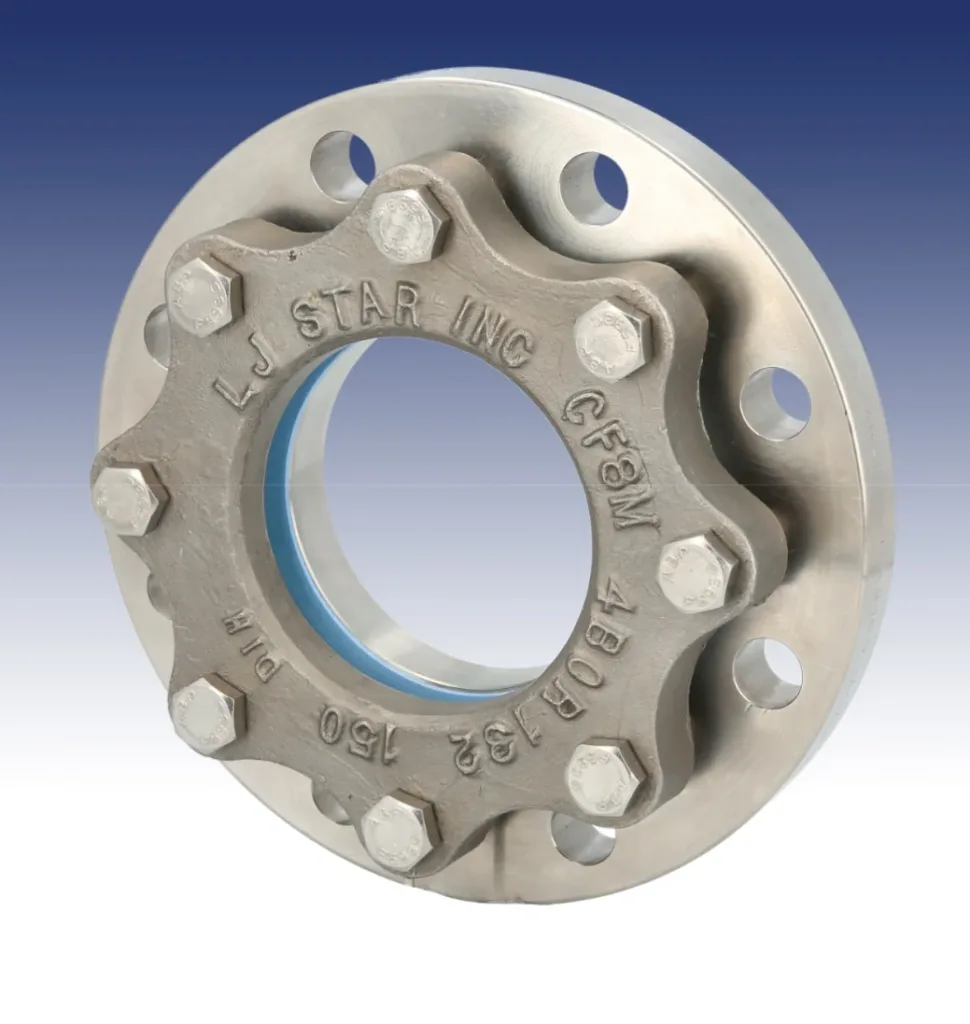
METAGLAS is formed by melting glass directly inside a circular metal frame. As the glass cools, the difference in thermal expansion between the glass and the metal creates uniform compressive stress throughout the glass.
That process is similar in principle to prestressed concrete, where compressive loading helps counteract the tensile forces that can lead to fracture.
The result is an observation window that greatly reduces the risk of sudden, unexpected rupture.
It also reduces the possibility of breakage caused by uneven bolt torque during installation, because the metal frame absorbs mounting stress rather than leaving it to the glass alone. In addition, METAGLAS windows can be removed, inspected, and reinstalled without compromising integrity.
For plants that want a more stable long-term solution, that matters.
Design for the worst case, not the average case
A sight glass system should be specified for the most demanding conditions it may encounter, not just the normal operating condition.
Pressure spikes happen. Thermal excursions happen. pH swings happen. The system should be able to handle them without incident.
Gasket compatibility matters
Even when a strong glass is selected, the wrong gasket can still create chemical incompatibility or leak pathways.
Gaskets should be chosen based on:
- The process media
- The operating temperature
- Whether the supplied gasket actually meets the service conditions
This is one of the areas where poor specification often leads to problems later. A gasket that seems acceptable at installation may not remain suitable once the system is exposed to the real process environment.
Standards should be part of the decision
DIN 7079 is the benchmark standard used to evaluate sight glasses for high temperatures, high pressure, and corrosive chemicals.
Fused products such as METAGLAS are measured and certified against that standard.
For specifiers, that means product selection should not be based on appearance alone. Standards and certification are part of the engineering decision.
Lighting and cameras in hazardous environments
If the process area contains flammable gases, vapors, or combustible dust, lighting and camera accessories also need careful specification.
These components are part of the safety picture.
Choose certified products for the zone
Look for products certified to ATEX standards for the specific zone classification.
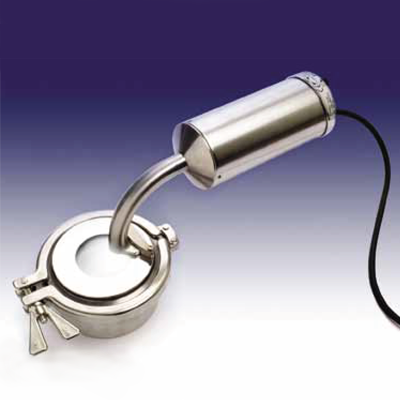
Explosion-proof lights are environmentally sealed and designed to operate without producing a spark that could ignite a hazardous atmosphere.
This is relevant across a wide range of industries, including:
- Oil and gas
- Chemical processing
- Pharmaceutical
- Power generation
- Food and beverage facilities
Lumiglas® LED lights are one example, with ATEX certification and available stainless or aluminum housing with a variety of mounting options.
Remote monitoring improves safety distance
Explosion-proof cameras extend the benefit further by allowing remote monitoring. That keeps personnel at a safer distance from hazardous conditions while still allowing process observation.
Modern camera options can include ATEX-certified resolution and Power-over-Ethernet (PoE) connectivity, which makes remote monitoring practical without losing image quality.
The role of process observation specialists
A process observation system often involves more variables than people expect.
The glass, the sealing system, the housing, the gaskets, the lighting, the cameras, and the applicable standards all need to work together. When one part is chosen poorly, the whole system can suffer.
That is why it can be useful to work with a process observation specialist who can assess the application parameters and help specify a complete system designed for long-term performance rather than just initial installation.
For Australian and New Zealand operations, that kind of support can be especially valuable when the project has to balance safety, compliance, uptime, and operating conditions.
The bottom line
A sight glass should never be treated as a commodity item. It is a pressure boundary element with direct safety implications.
The right system depends on the full operating picture:
- The glass type
- The sealing method
- The housing material
- The gasket material
- The lighting and camera setup
- The applicable standard
When those elements are matched to the real process conditions, the system is more likely to perform reliably over time instead of becoming a source of unplanned downtime, safety incidents, and repeated replacement.
FAQ
Can a sight glass be reused after removal for cleaning or maintenance?
It depends on the type of sight glass and its construction. Conventional glass disc sight glasses should not be reused after removal. METAGLAS windows, however, can be cleaned, inspected, and returned to service.
What are the main ways sight glasses fail?
The main failure modes are thermal shock, excess pressure, corrosion, and poor installation practice.
What glass is suitable for corrosive applications?
Borosilicate is the minimum standard for corrosive applications. Soda lime glass degrades much faster than borosilicate under acidic or alkaline conditions.
What standard applies to fused sight glasses?
DIN 7079 is the benchmark standard used to evaluate sight glasses for high temperatures, high pressure, and corrosive chemicals.
What should be used in hazardous areas for lighting and monitoring?
For hazardous areas with flammable gases, vapors, or combustible dust, products should be certified to ATEX standards for the specific zone classification.